Walking the Walk
Why do humanoid robots still walk like they've had one too many drinks? With all the advances in AI, sensors, and robotics, you'd think they'd have mastered walking by now, right? Well, not quite.
By Liam O'Connor
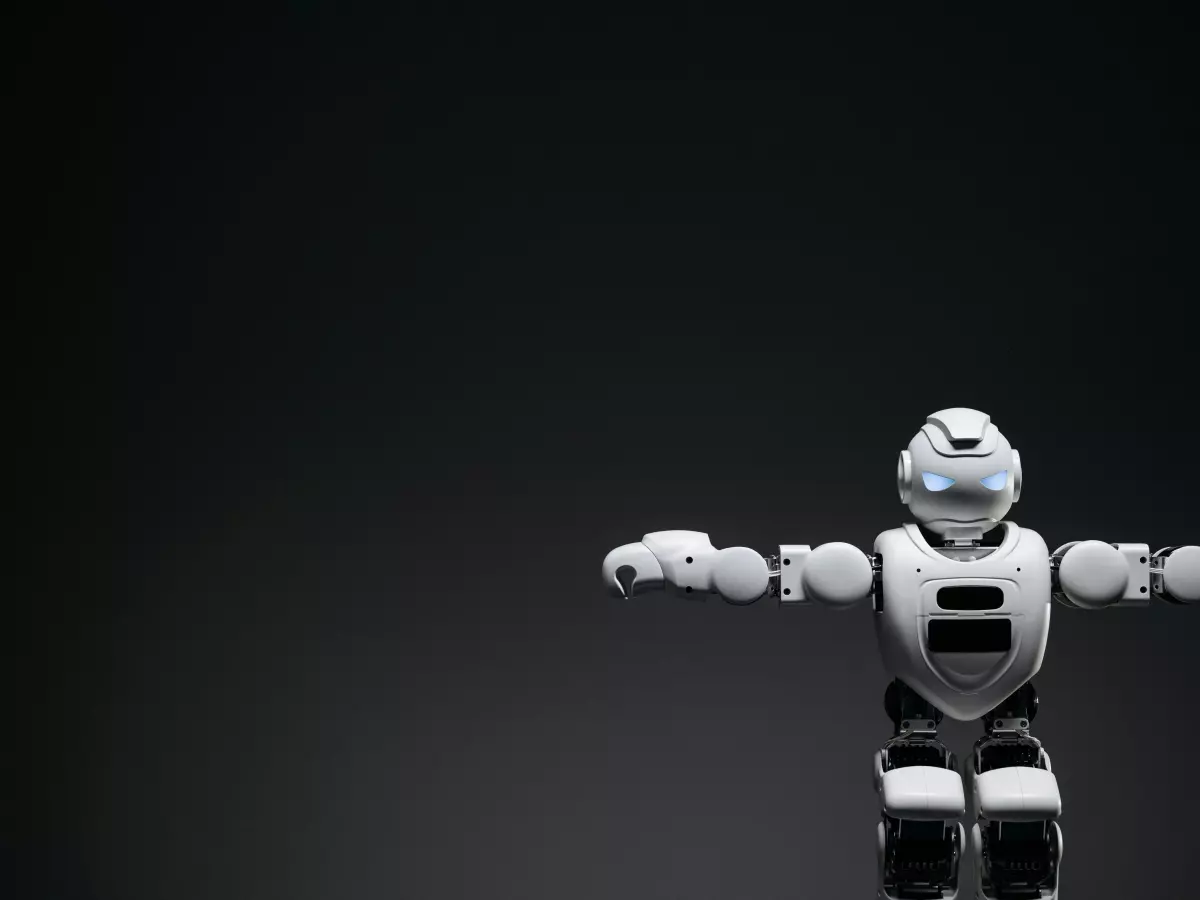
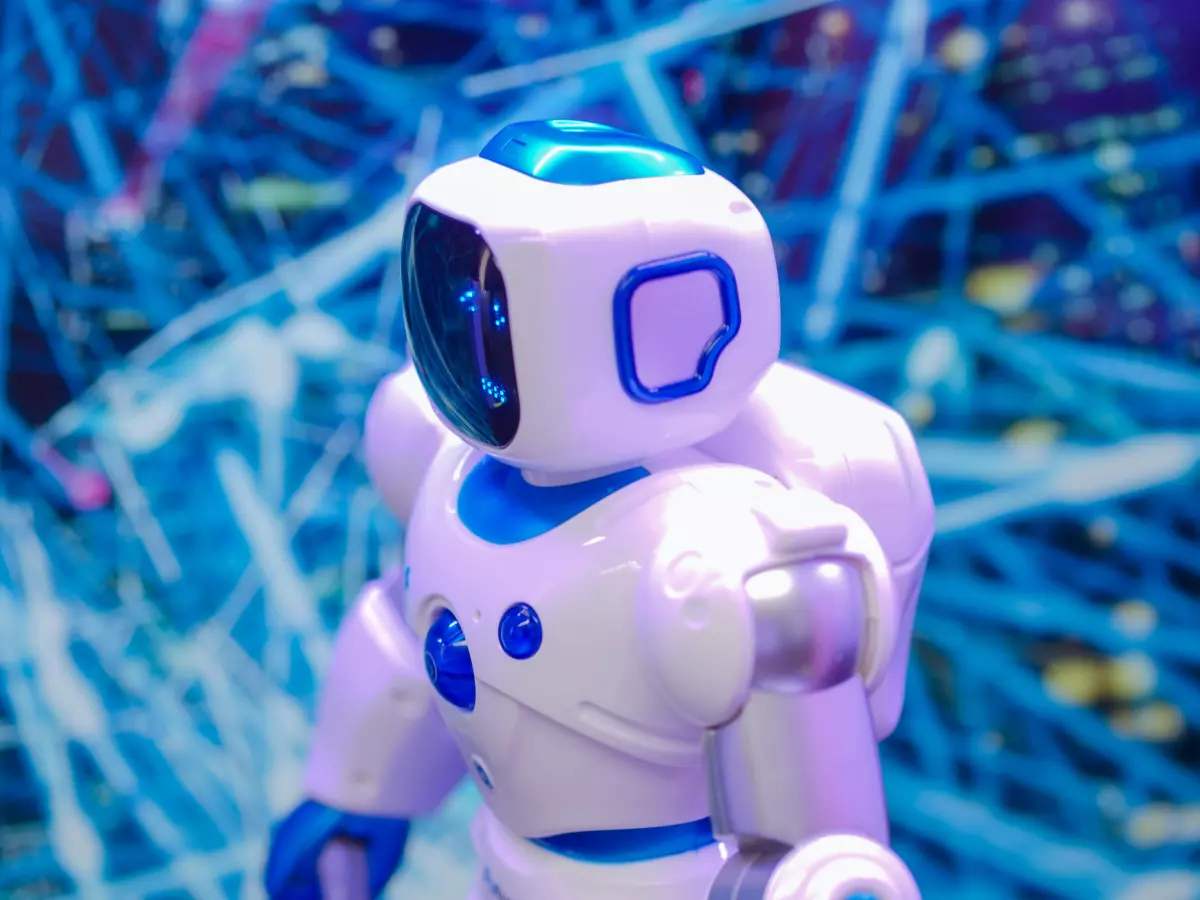
Humanoid robots are designed to mimic the human form, but when it comes to walking, they still have a long way to go. Sure, they can shuffle around, but their movements often seem stiff, awkward, or downright clumsy. So, what's the holdup? The answer lies in the complex interplay of design, sensor integration, and motion control algorithms.
Let's break it down: walking isn't just about putting one foot in front of the other. For humans, it involves a delicate balance of muscle coordination, sensory feedback, and real-time adjustments. Replicating that in a robot is no small feat. In fact, it's one of the biggest challenges in robotics today.
Designing for Balance
The first hurdle is the design. Humanoid robots are built to resemble humans, but that doesn't mean they move like us. Our bodies are incredibly well-adapted for walking, with flexible joints, muscles, and tendons that allow us to move smoothly and maintain balance. Robots, on the other hand, are made of rigid materials like metal and plastic, which makes it harder for them to achieve the same fluidity.
To compensate, engineers have to design robots with a low center of gravity and wide feet to prevent them from toppling over. But this comes at a cost: it makes their movements look unnatural. Imagine trying to walk with your knees bent and your feet spread apart—it's not exactly graceful, is it?
Sensors: The Robot's Eyes and Ears
Next up: sensors. Humans rely on a variety of senses to walk, from vision to proprioception (our sense of where our body parts are in space). Robots, too, need a way to 'see' and 'feel' their environment if they're going to walk without falling over.
Most humanoid robots are equipped with an array of sensors, including cameras, gyroscopes, and accelerometers. These sensors help the robot detect obstacles, measure its orientation, and adjust its movements in real-time. But here's the catch: even with all these sensors, robots still struggle to process the data fast enough to make smooth, human-like adjustments.
Think about it: when you're walking down the street and see a crack in the pavement, your brain instantly tells your foot to step over it. Robots, on the other hand, have to process the visual data, calculate the necessary adjustment, and then execute the movement—all in the blink of an eye. And while they're getting faster, they're still not as quick as us.
Motion Control Algorithms: The Brain Behind the Movement
Finally, we come to the motion control algorithms—the 'brain' behind the robot's movements. These algorithms are responsible for coordinating the robot's joints and motors to produce smooth, balanced walking. But here's the thing: walking is a dynamic process. It's not just about moving in a straight line; it's about constantly adjusting to changes in the environment, like uneven terrain or sudden obstacles.
To tackle this, engineers use a combination of pre-programmed movements and real-time adjustments. The robot's motion control algorithms are designed to predict how the robot should move based on its current position and the data from its sensors. But again, this is easier said than done. The algorithms have to account for a wide range of variables, from the robot's weight distribution to the friction of the ground beneath its feet.
And let's not forget about energy efficiency. Walking is an energy-intensive activity, and robots have limited battery life. So, the algorithms also have to optimize the robot's movements to conserve energy, which often results in slower, more deliberate steps.
Why Walking is Still a Work in Progress
So, why do humanoid robots still struggle to walk like us? It all comes down to the complexity of human movement. Walking is a highly coordinated activity that involves multiple systems working together in real-time. While robots have made huge strides (pun intended) in recent years, they're still playing catch-up when it comes to replicating the fluidity and adaptability of human walking.
But don't count them out just yet. Advances in AI, machine learning, and sensor technology are helping robots get closer to walking like humans every day. In the not-too-distant future, we might see robots that can not only walk like us but even run, jump, and dance with the same grace and agility.
Until then, though, we'll just have to enjoy watching them stumble around like toddlers learning to walk. Hey, at least they're trying!