The Art of Motion
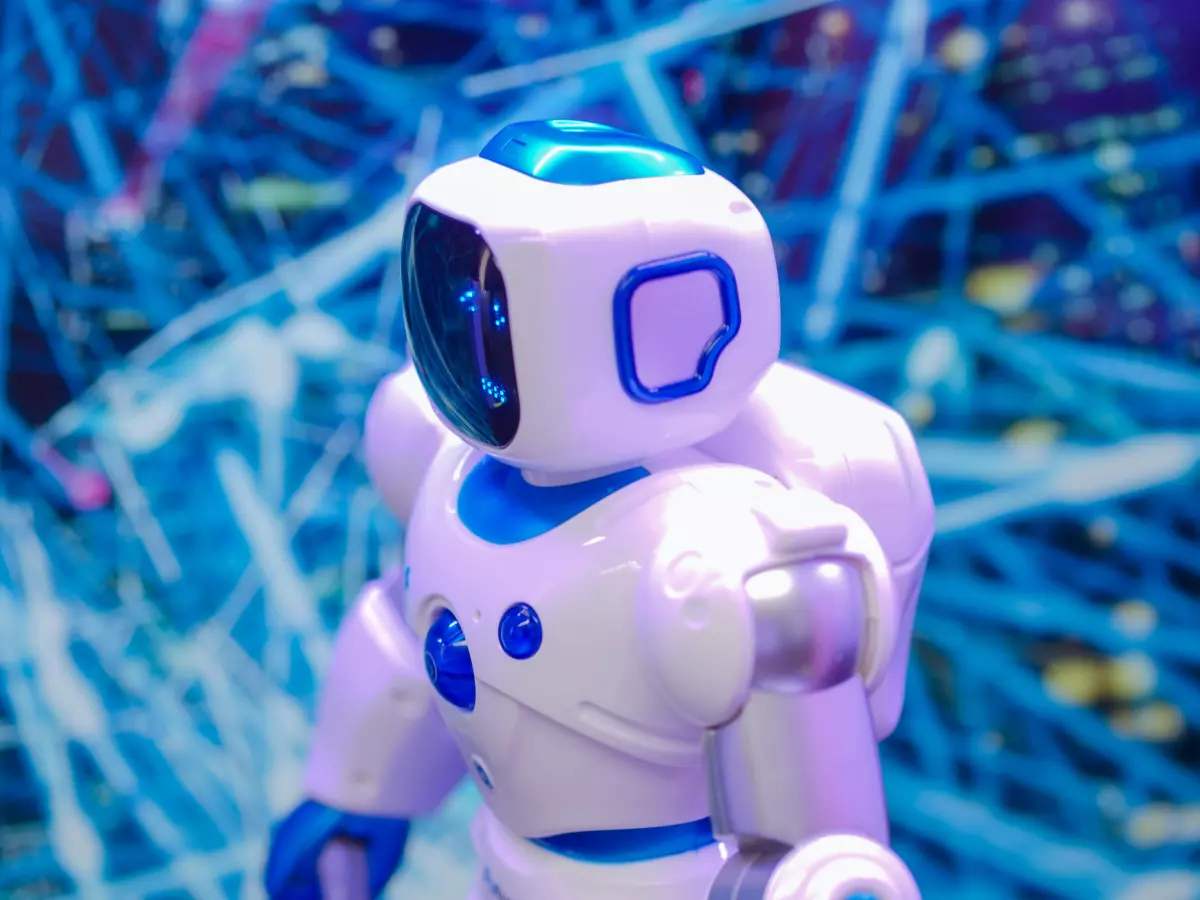
"So, how close are we to robots moving like us?" It's a question that pops up every time humanoid robots are mentioned. And the answer? Well, it's complicated.
By Hiroshi Tanaka
Humanoid robots are designed to mimic human motion, but achieving that fluid, natural movement is no easy feat. It’s not just about slapping on some sensors and calling it a day. There’s a whole science behind it, and it’s a fascinating mix of engineering, biology, and computer science.
Let’s break it down. Imagine you’re walking down the street. You’re not thinking about every muscle contraction, every joint angle, or how your body is balancing itself. Your brain just does it. Now, imagine trying to program a robot to do the same thing. Yeah, not so simple, right?
Understanding Human Motion: The Blueprint
Before we can teach robots to move like us, we need to understand how we move in the first place. Human motion is a complex symphony of muscle contractions, joint rotations, and feedback loops from our nervous system. Our bodies are constantly making micro-adjustments to maintain balance and coordination.
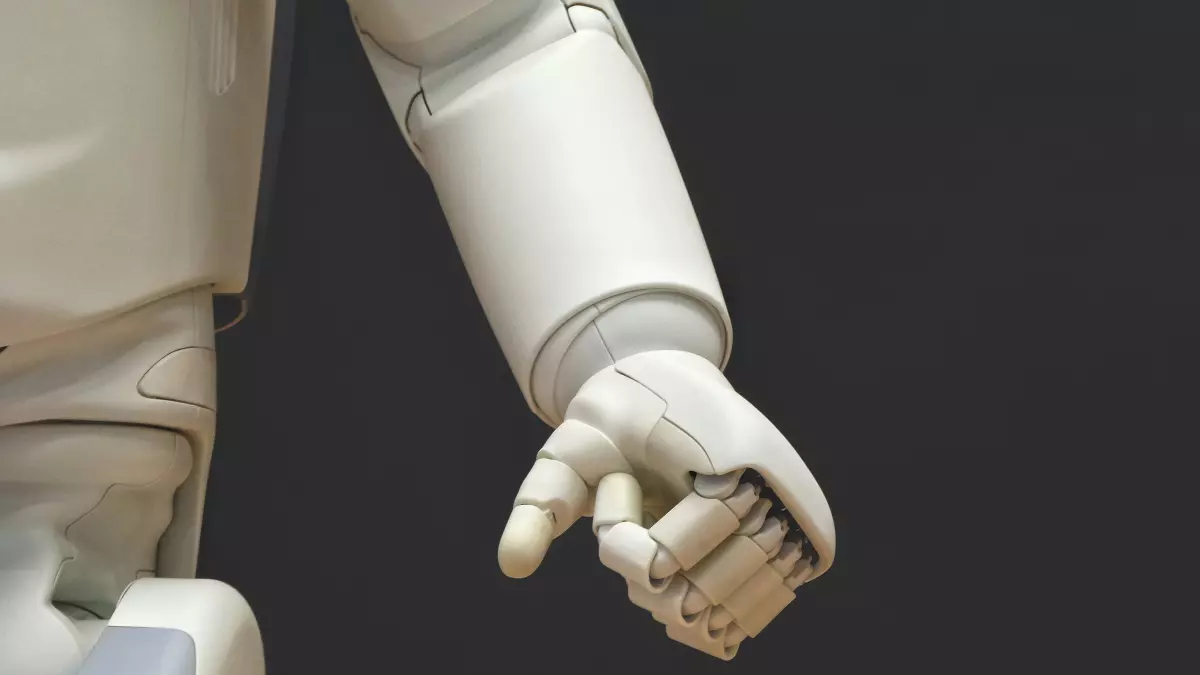
For humanoid robots, this means replicating the intricate dance between bones, muscles, and tendons. Engineers have to design joints that can move in multiple directions, actuators that mimic muscle contractions, and sensors that provide real-time feedback. And that’s just the hardware.
On the software side, motion control algorithms are the brain behind the brawn. These algorithms process data from the robot’s sensors and make split-second decisions about how to move. It’s like trying to solve a Rubik’s cube while riding a unicycle—there’s a lot going on at once.
Sensor Integration: The Eyes and Ears of Robots
Let’s talk sensors. In humans, our senses provide us with constant feedback about our environment. We see, hear, and feel the world around us, and our brain uses that information to adjust our movements. Humanoid robots need a similar setup.
Robots are equipped with a variety of sensors—cameras for vision, gyroscopes for balance, and force sensors to detect pressure. These sensors feed data into the robot’s control system, allowing it to make real-time adjustments to its movements.
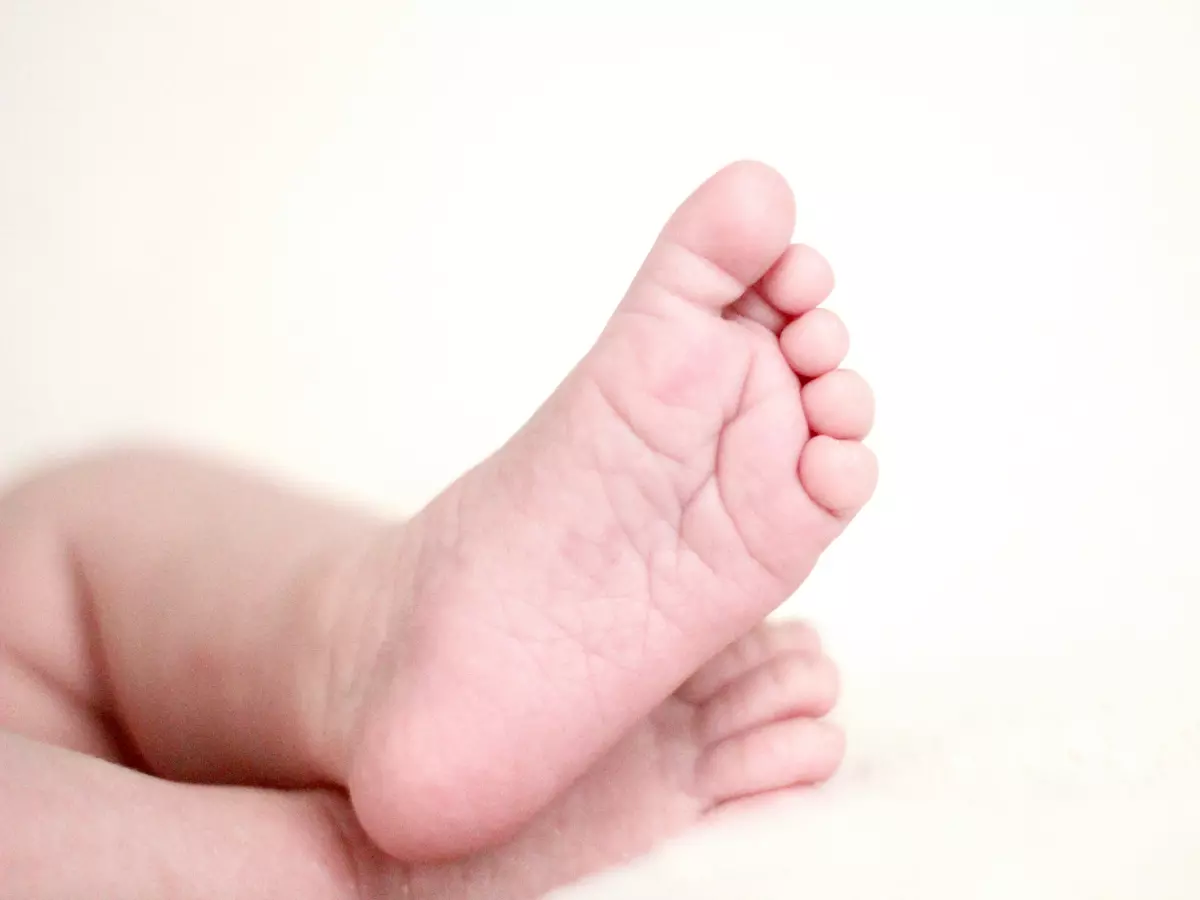
But here’s where things get tricky. Unlike humans, robots don’t have a central nervous system that automatically processes sensory information. Instead, engineers have to program the robot’s software to interpret the data and respond accordingly. It’s like teaching a toddler to walk, except the toddler is made of metal and circuits.
Motion Control Algorithms: The Brain Behind the Movement
Now, let’s dive into the real magic—motion control algorithms. These algorithms are responsible for translating sensor data into movement. They’re the reason a humanoid robot can walk, run, or even dance (yes, some robots can bust a move).
There are two main types of motion control algorithms: kinematic and dynamic. Kinematic algorithms focus on the geometry of movement—how the robot’s joints should move to achieve a specific pose. Dynamic algorithms, on the other hand, take into account the forces acting on the robot, such as gravity and inertia.
Here’s where it gets ironic. While engineers are trying to make robots move like humans, they often have to rely on non-human-like strategies to get the job done. For example, some robots use wheels or tracks to move more efficiently, even though humans don’t roll around on wheels (unless we’re talking about rollerblades, but that’s a different story).
Even with the most advanced algorithms, humanoid robots still struggle to achieve the fluidity of human motion. It’s not that the technology isn’t there—it’s just that human movement is incredibly complex. Every step we take involves a delicate balance of forces, and replicating that in a machine is no small feat.
The Future of Humanoid Motion
So, what’s next for humanoid robots? Well, we’re getting closer to creating robots that can move like us, but there’s still a long way to go. Advances in AI and machine learning are helping robots learn from their mistakes and improve their movements over time. In the future, we might see robots that can not only walk and run but also perform tasks that require fine motor skills, like playing the piano or threading a needle.
But here’s the kicker: even if we perfect the art of humanoid motion, there’s still the question of whether we should. Do we really need robots that move like humans, or are we better off designing robots that move in ways that are more efficient for machines? It’s a debate that’s far from over.
For now, though, the quest to make robots move like us continues. And who knows? Maybe one day, you’ll be walking down the street next to a robot that moves so naturally, you won’t even notice the difference.