AirPods vs Hearing Aids
Can Apple’s AirPods really replace traditional hearing aids? With FDA approval, it’s time to find out.
By Marcus Liu
Apple just got the green light from the FDA to use AirPods as hearing aids for those with mild to moderate hearing loss. This move could be a game-changer for millions of people, but how do these sleek, wireless earbuds stack up against traditional hearing aids? Let’s dive into the pros and cons of each option and see if AirPods are really up to the challenge.
First off, let’s talk about accessibility. Traditional hearing aids are often seen as medical devices, which means they come with a hefty price tag and require a prescription. On the other hand, AirPods are widely available and relatively affordable. If you already own a pair, you’re halfway there. Apple’s iOS 18 update will allow users to fine-tune their AirPods to function as hearing aids, making them a much more accessible option for those who don’t want to go through the hassle of getting fitted for a traditional device.
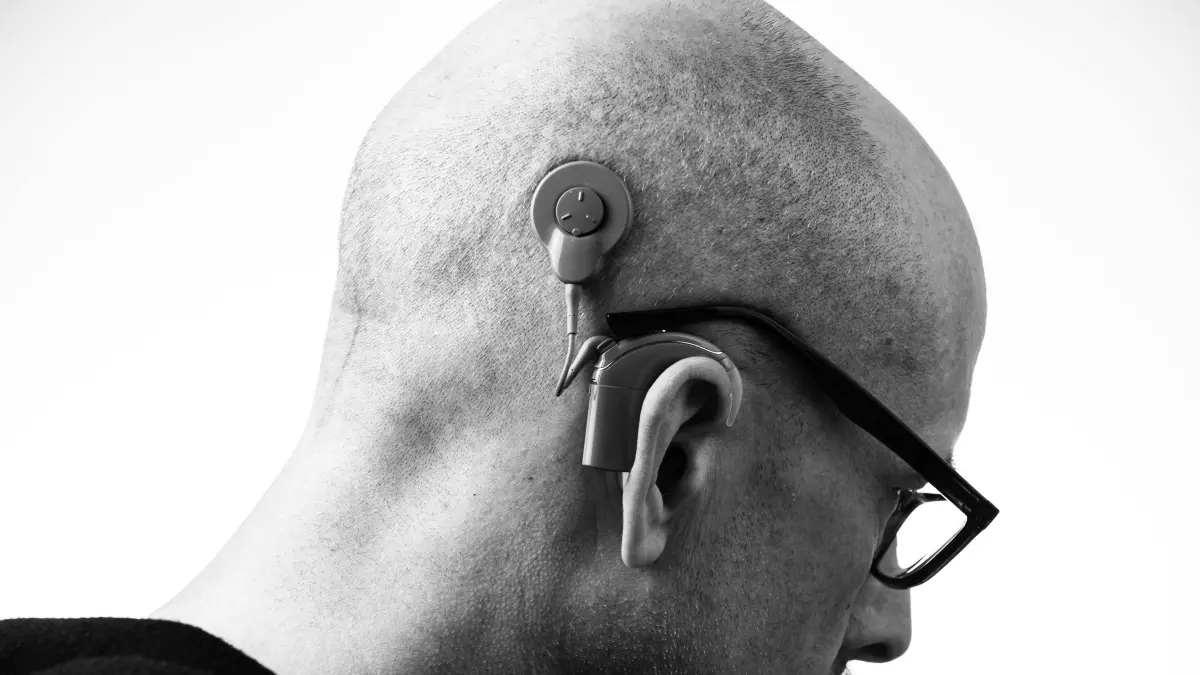
But here’s the catch: traditional hearing aids are specifically designed for hearing loss. They come with a range of features like noise reduction, directional microphones, and feedback suppression. These are all things that AirPods, even with their new software, might struggle to replicate. Sure, AirPods are great for casual listening, but can they really handle the complexities of hearing loss in a crowded room or a noisy environment? That’s where traditional hearing aids still have the upper hand.
Another key difference is battery life. Traditional hearing aids are built to last all day, with some models offering up to 24 hours of use on a single charge. AirPods, on the other hand, are notorious for their shorter battery life. While Apple has made improvements with newer models, you’re still looking at around 5-6 hours of continuous use before you need to pop them back into their charging case. For someone relying on their device to hear throughout the day, that’s a significant drawback.
Then there’s the issue of customization. Traditional hearing aids are typically fitted by an audiologist, who can adjust the settings to match your specific hearing needs. AirPods, while customizable through iOS, don’t offer the same level of precision. You can tweak the settings, sure, but it’s not the same as having a professional fine-tune your device to your exact hearing profile.
That said, AirPods do have some advantages. For one, they’re discreet. Let’s be honest, traditional hearing aids can be bulky and, well, not exactly stylish. AirPods, on the other hand, are sleek and modern. No one will bat an eye if you’re wearing them, and they come with the added bonus of being able to switch seamlessly between listening to music and taking calls. Plus, they’re already integrated into Apple’s ecosystem, meaning you can control them with your iPhone, iPad, or Apple Watch.
So, what’s the verdict? If you have mild to moderate hearing loss and are looking for a more affordable, accessible option, AirPods could be a great solution. They’re convenient, stylish, and easy to use. But if you need something more robust—especially in challenging listening environments—traditional hearing aids are still the gold standard. They offer better sound quality, longer battery life, and more precise customization. Ultimately, it comes down to your specific needs and lifestyle.
As Apple continues to push the boundaries of what their devices can do, it’s exciting to see how technology is evolving to meet the needs of people with hearing loss. Whether you go with AirPods or traditional hearing aids, the important thing is that you have options. And that’s something worth celebrating.