RAM Face-Off
More RAM means a faster phone, right? Well, not so fast. The truth about smartphone RAM is a little more complicated than that, and it might just surprise you.

By Liam O'Connor
When it comes to smartphones, RAM is often the unsung hero of performance. We all know about the flashy cameras, the sleek designs, and the powerhouse processors, but RAM? It's like the quiet kid in the back of the class who suddenly aces the final exam. But here's the thing: not all RAM is created equal, and bigger doesn't always mean better. So, what really matters when it comes to RAM – size or speed?
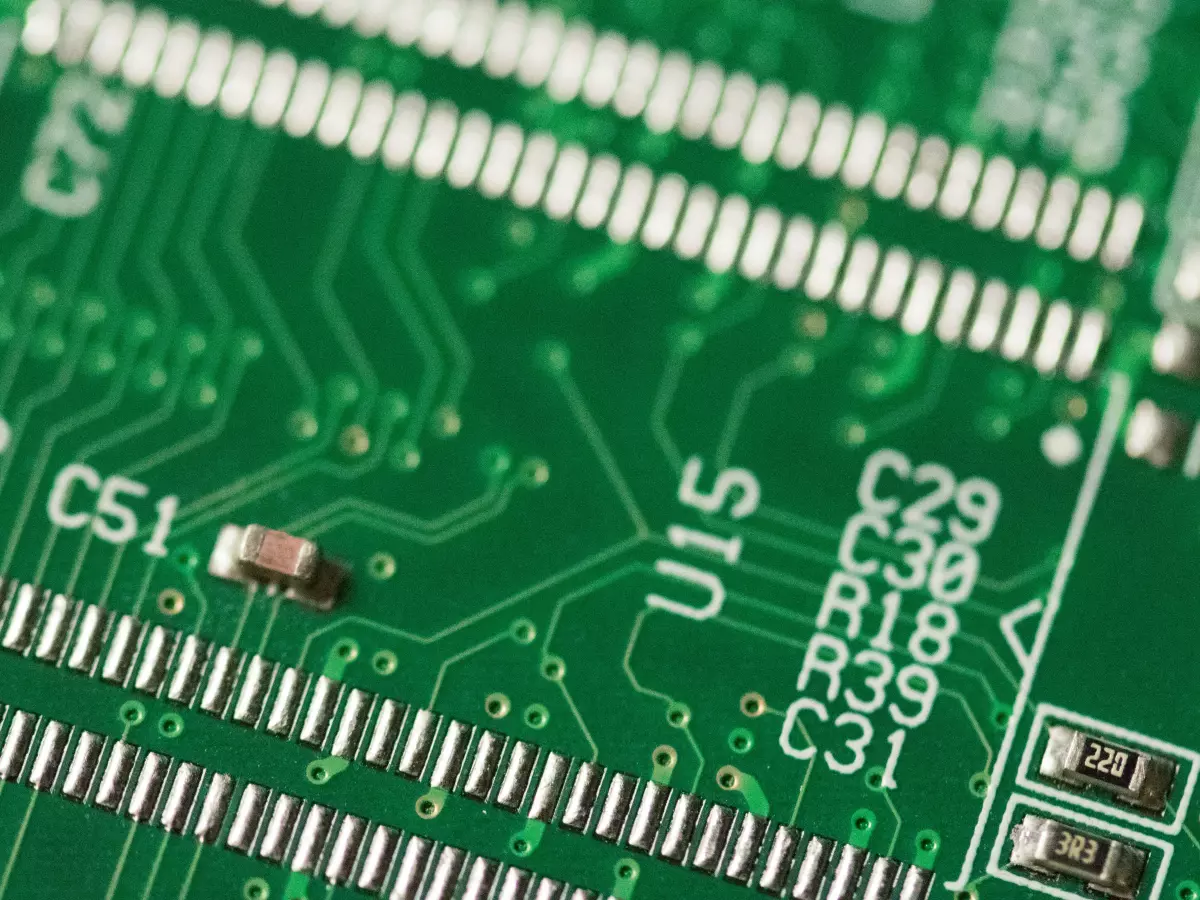
Let's break it down. RAM (Random Access Memory) is essentially your phone's short-term memory. It's where data is stored temporarily while your phone is running apps, games, or even just switching between tasks. The more RAM you have, the more data your phone can juggle at once. But here's the kicker: the speed of that RAM can be just as important as the size. So, is it better to have more RAM or faster RAM? Let's dive into the details.
Size Matters... But Only to a Point
First things first: yes, having more RAM does help your phone handle more tasks at once. If you're the kind of person who likes to have 20 apps open at the same time, or if you're constantly flipping between a game, a video call, and your email, then having more RAM can make a noticeable difference. More RAM means your phone can keep more apps 'alive' in the background without having to reload them every time you switch back.
But here's the catch: once you hit a certain threshold, adding more RAM doesn't necessarily translate to better performance. For most users, 6GB to 8GB of RAM is more than enough. Anything beyond that? It's like buying a Ferrari to drive to the grocery store – cool, but probably overkill. Unless you're a hardcore mobile gamer or you're editing 4K videos on your phone (and let's be real, most of us aren't), you probably won't notice the difference between 8GB and 12GB of RAM.
Speed: The Secret Sauce
Now, let's talk about speed. The speed of your RAM is measured in MHz (megahertz), and faster RAM can make a big difference in how quickly your phone can access data. Think of it like this: if your RAM is the size of a warehouse, the speed is how fast the forklifts can move around inside. You could have the biggest warehouse in the world, but if your forklifts are slow, you're not going to get much done.
Faster RAM means your phone can access data more quickly, which can lead to snappier performance, especially when you're switching between apps or loading large files. This is where things get interesting: a phone with 6GB of fast RAM can often outperform a phone with 8GB of slower RAM. So, while size is important, speed can be the real game-changer.
LPDDR4 vs LPDDR5: The RAM Revolution
In the world of smartphone RAM, there are two main players: LPDDR4 and LPDDR5. LPDDR4 has been the standard for a while now, but LPDDR5 is the new kid on the block, and it's bringing some serious upgrades to the table. LPDDR5 RAM is not only faster than LPDDR4, but it's also more power-efficient, which means it can help extend your battery life – a win-win.
So, should you be holding out for a phone with LPDDR5 RAM? If you're a power user who demands the best performance, then yes, LPDDR5 can make a noticeable difference. But for most users, LPDDR4 is still more than capable of handling everyday tasks with ease.
Multitasking Myths: Do You Really Need All That RAM?
One of the biggest myths about smartphone RAM is that more is always better for multitasking. While it's true that more RAM can help keep more apps running in the background, it's not the only factor at play. Your phone's operating system plays a huge role in how efficiently it manages RAM. For example, iOS is known for being incredibly efficient with RAM, which is why iPhones can often get away with having less RAM than their Android counterparts without sacrificing performance.
Android, on the other hand, tends to be a bit more RAM-hungry, especially if you're using a heavily customized version of the OS with a lot of background processes running. So, if you're an Android user, having a bit more RAM might be worth it, but again, there's a point of diminishing returns.
What’s Next for Smartphone RAM?
As smartphones continue to evolve, so too will their RAM. We can expect to see even faster and more efficient RAM technologies in the coming years, especially as 5G and AI-driven applications become more prevalent. But for now, the key takeaway is this: more RAM isn't always better. It's about finding the right balance between size and speed, and understanding how your phone's operating system manages that RAM.
So, the next time you're shopping for a new phone and you're tempted by the one with 12GB of RAM, ask yourself: do I really need all that? Or would I be better off with a phone that has less RAM but faster speeds? The answer might just surprise you.